Project background
Recently, a client with whom we work is working on the development of a new generation of unmanned delivery vehicles. They are faced with the challenges of a tight timeline for testing the core components of the sensing and interaction systems, as well as the need to adapt these systems to various different scenarios. The design plans for components such as the housings for multi-line laser scanners, camera protectors, human-machine interaction interfaces, and impact-resistant structures for these unmanned delivery vehicles have just been finalized. It is necessary to produce 4 complete system prototypes within 10 days in order to conduct field tests in various locations such as industrial parks, communities, and universities. Traditional machining and molding methods would take more than 30 days to complete such tasks, and it is difficult to manufacture small, complex components in a single piece, which puts significant pressure on the progress of this project.
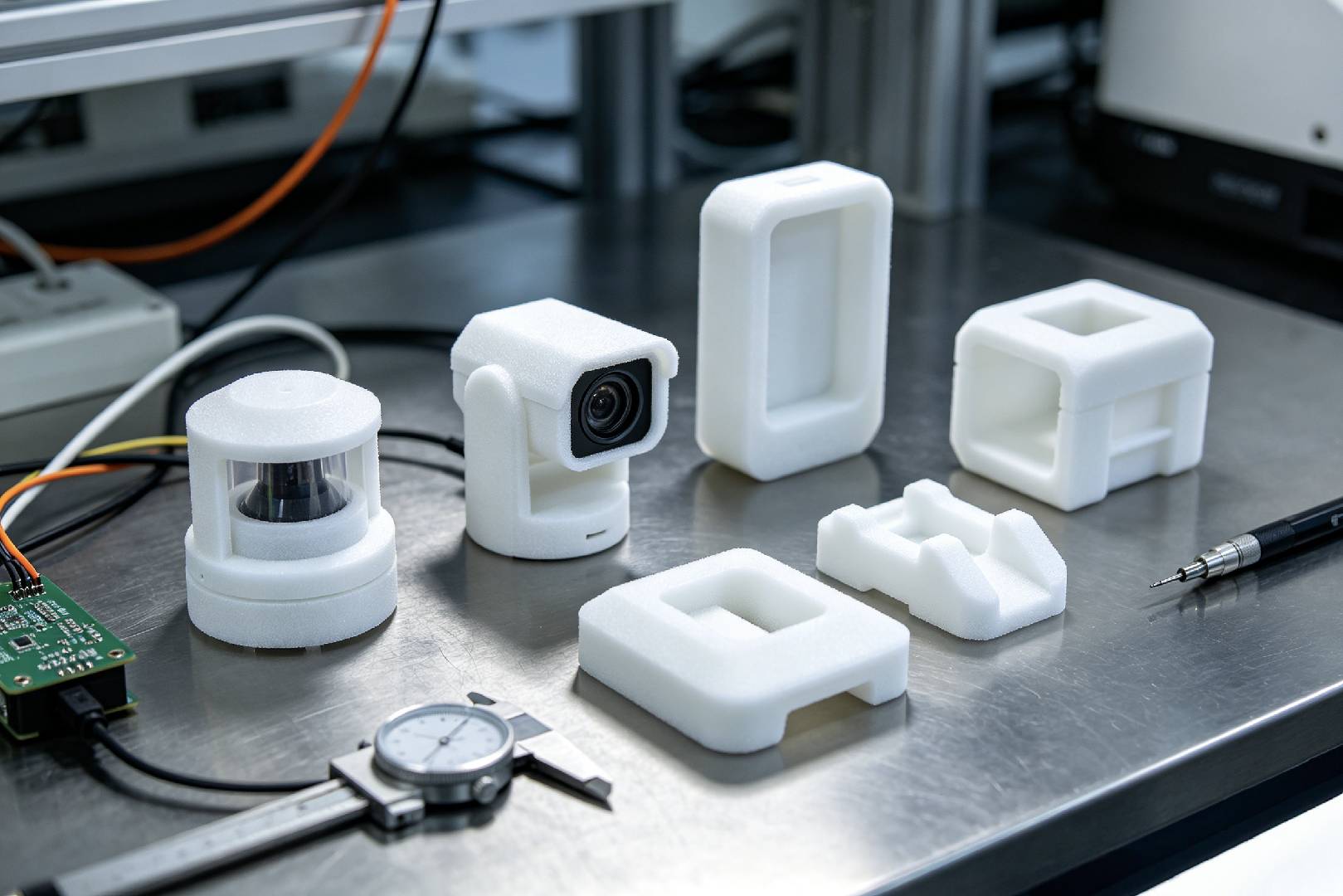
Given the tight deadline and the numerous requirements associated with the project, the client turned to its existing suppliers right away. However, all of these traditional suppliers stated that they were unable to produce the components needed for testing in such a short time frame. The components for unmanned delivery vehicles are small in size and have a compact structure; as a result, they require high levels of protection against water, dust, impacts, and drops. Traditional manufacturing methods make it difficult to achieve integrated molding and the necessary protective features in a timely manner. This situation caused the client’s development project for unmanned delivery vehicles to come to a standstill, posing risks of delays in product release and obstacles to market promotion.
Solution and project outcomes
To overcome these delivery challenges and keep the client’s development schedule on track, the client urgently reached out to the RPS team. Upon receiving the request, RPS promptly initiated a specialized development process, abandoning traditional manufacturing techniques in favor of high-precision industrial 3D printing technology to meet the client’s various requirements. The production process was advanced efficiently throughout. The team worked round the clock to optimize printing parameters and adjust material formulas, using highly resilient, impact-resistant engineering resins to create complex small-scale structures. This approach ensured that the components met the required standards in terms of assembly precision, sealing performance, and impact resistance. Additionally, additional treatments such as waterproofing, dustproofing, and impact protection were applied to ensure that the components were suitable for use in various outdoor environments.
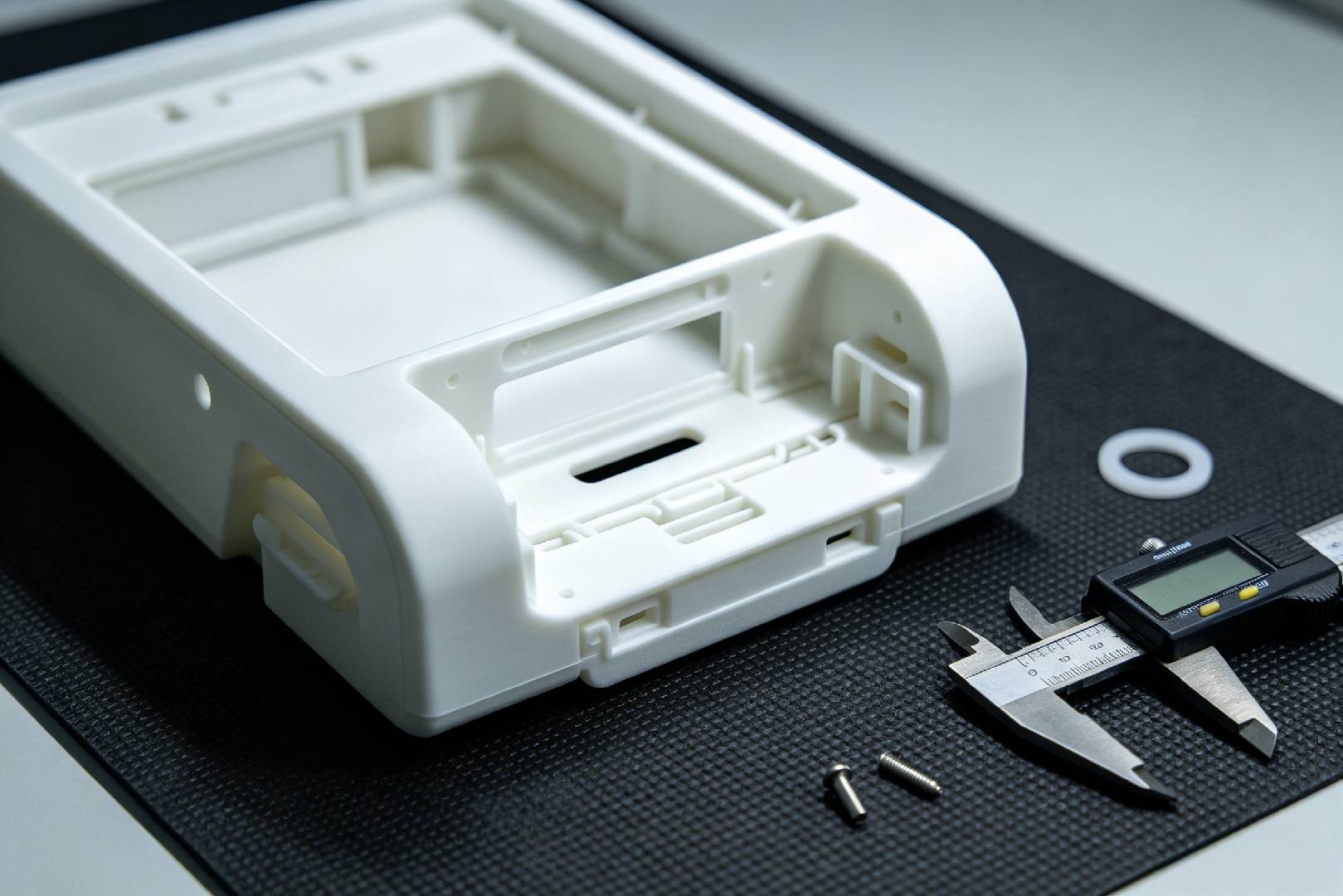
Thanks to its advanced material processing techniques and high production efficiency, RPS was able to complete the development and post-processing of 4 complete prototypes of sensing and interaction systems for driverless delivery vehicles within 7 days. A total of 36 core components were delivered, with a dimensional accuracy within ±0.03 mm; these components passed all the customer’s tests for water and dust resistance, drop impact resistance, temperature cycling, as well as assembly verification. To minimize the testing time, the team sent technicians equipped with the necessary components to various testing sites owned by the customer, where they carried out on-site installation, debugging, and technical support.
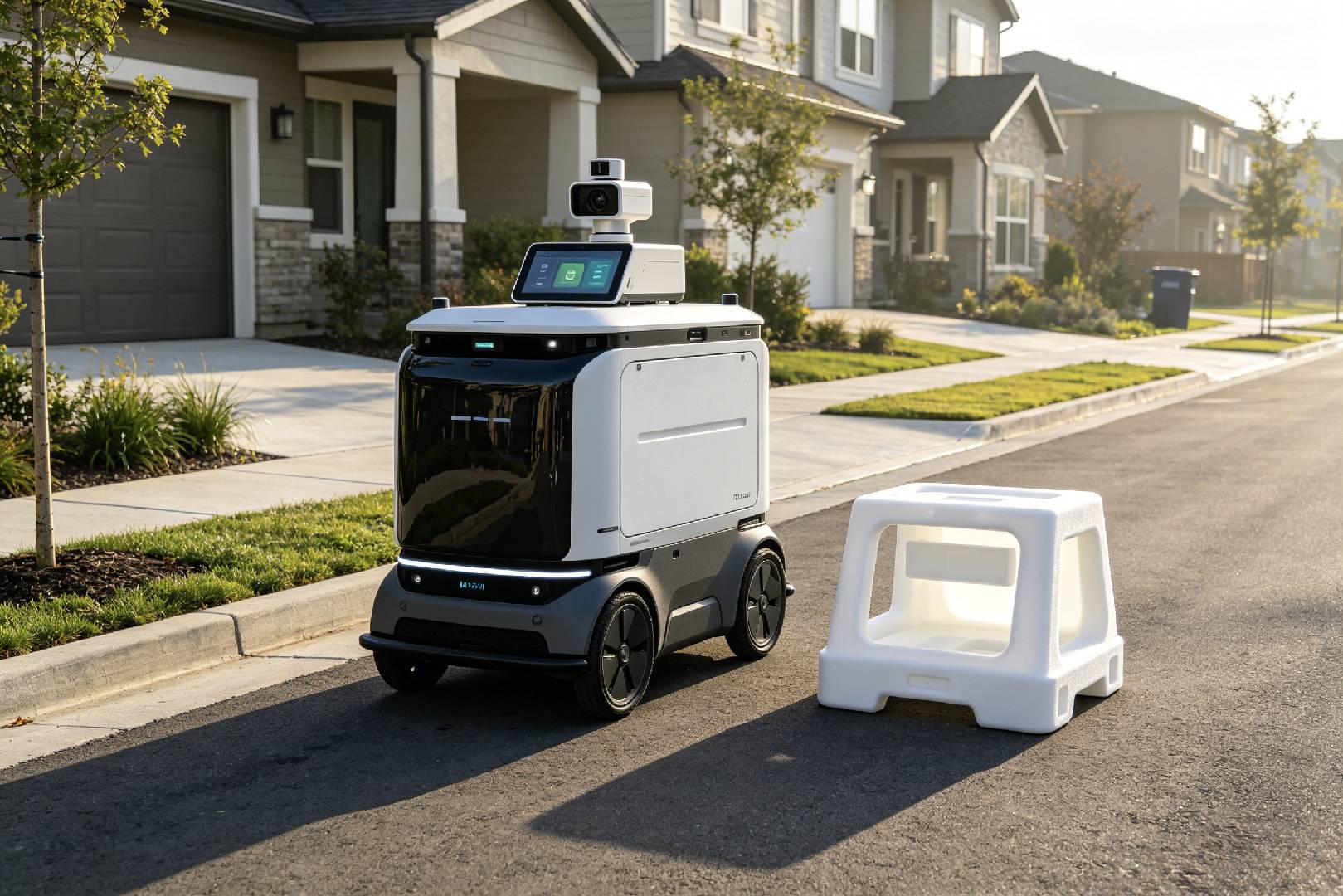
In the end, RPS managed to help its client shorten the product development cycle for systems related to the perception and interaction of driverless delivery vehicles, thereby reducing the costs associated with mold production. This enabled the client to proceed with field tests in various scenarios as planned. This case clearly demonstrates RPS’s technical expertise and professional capabilities in the field of 3D printing of small, complex components. Thanks to its efficient and reliable performance, RPS was able to support the development of autonomous intelligent equipment for end-use applications, earning the client’s high appreciation and interest in establishing a long-term partnership.