Project Background
The client collaborating on this project is working on the development of a new generation of launch vehicle propulsion systems. The core component of these systems – the engine nozzles – presents challenges due to their complex structure; traditional manufacturing methods are not capable of producing them as integrated units. These nozzles feature spiral-shaped regenerative cooling channels, and with traditional techniques, dozens of individual parts must be manufactured separately before being welded together. This process is cumbersome, taking up to 60 days, and it also poses risks to the structural strength of the nozzles due to welding stresses. Additionally, the cost of creating molds for each nozzle is high, which makes it impossible to meet the urgent requirement of completing three generations of iterative testing within 30 days. Several traditional manufacturers have stated that they are unable to produce nozzles with high precision and high strength within the specified time frame, resulting in a pause in the client’s project and a risk of delays in the launch schedule.
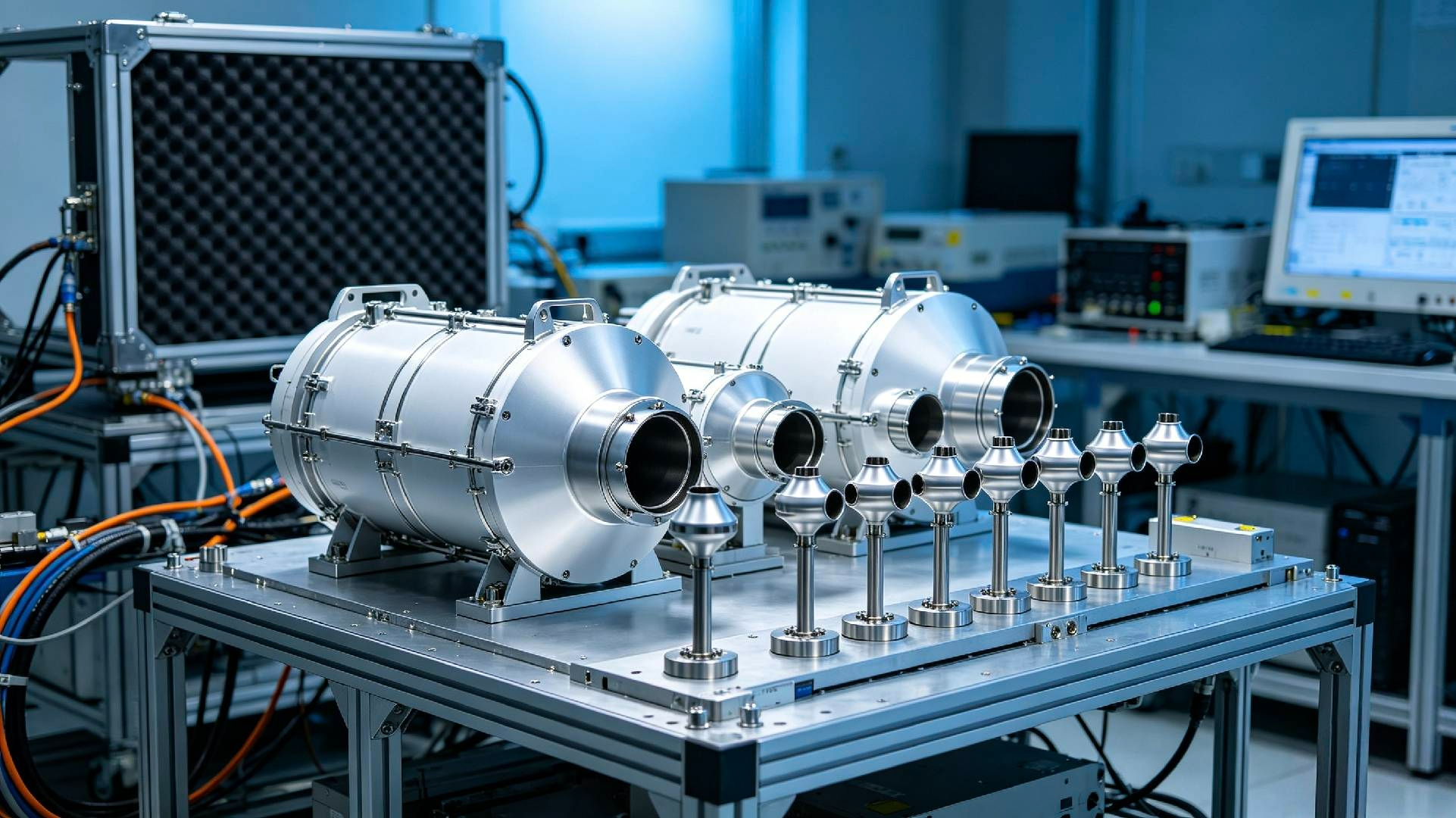
Solutions and Project Outcomes
To overcome the challenges associated with delivery, RPS promptly collaborated with specialized R&D teams and abandoned traditional methods of component fabrication and welding. By leveraging metal additive manufacturing technology, it provided customers with integrated solutions:
1.Topology optimization and integrated design: Topology optimization was applied to the complex internal flow channels of the nozzles, enabling the simultaneous formation of the nozzle body and the cooling channels. This approach allowed a structure that originally required over 20 individual parts to be created as a single unit, thereby eliminating the stress concentrations that arise from welding processes.
2.Process and material selection: High-temperature resistant nickel-based alloy materials were used, and process parameters such as laser power and scanning speed were optimized to achieve high-precision fabrication of the thin-walled flow channels. This ensured that the roughness of the channel interiors met the requirements for effective cooling. Additionally, heat treatment processes were employed to enhance the mechanical properties of the parts, resulting in a tensile strength of over 900 MPa.
3.Rapid iteration throughout the entire process: A closed-loop process consisting of design, printing, post-processing, and testing was established, along with high-precision polishing and non-destructive testing procedures. These measures ensured that the dimensional accuracy of the nozzles remained within ±0.03 mm, with no blockages or cracks in the flow channels.
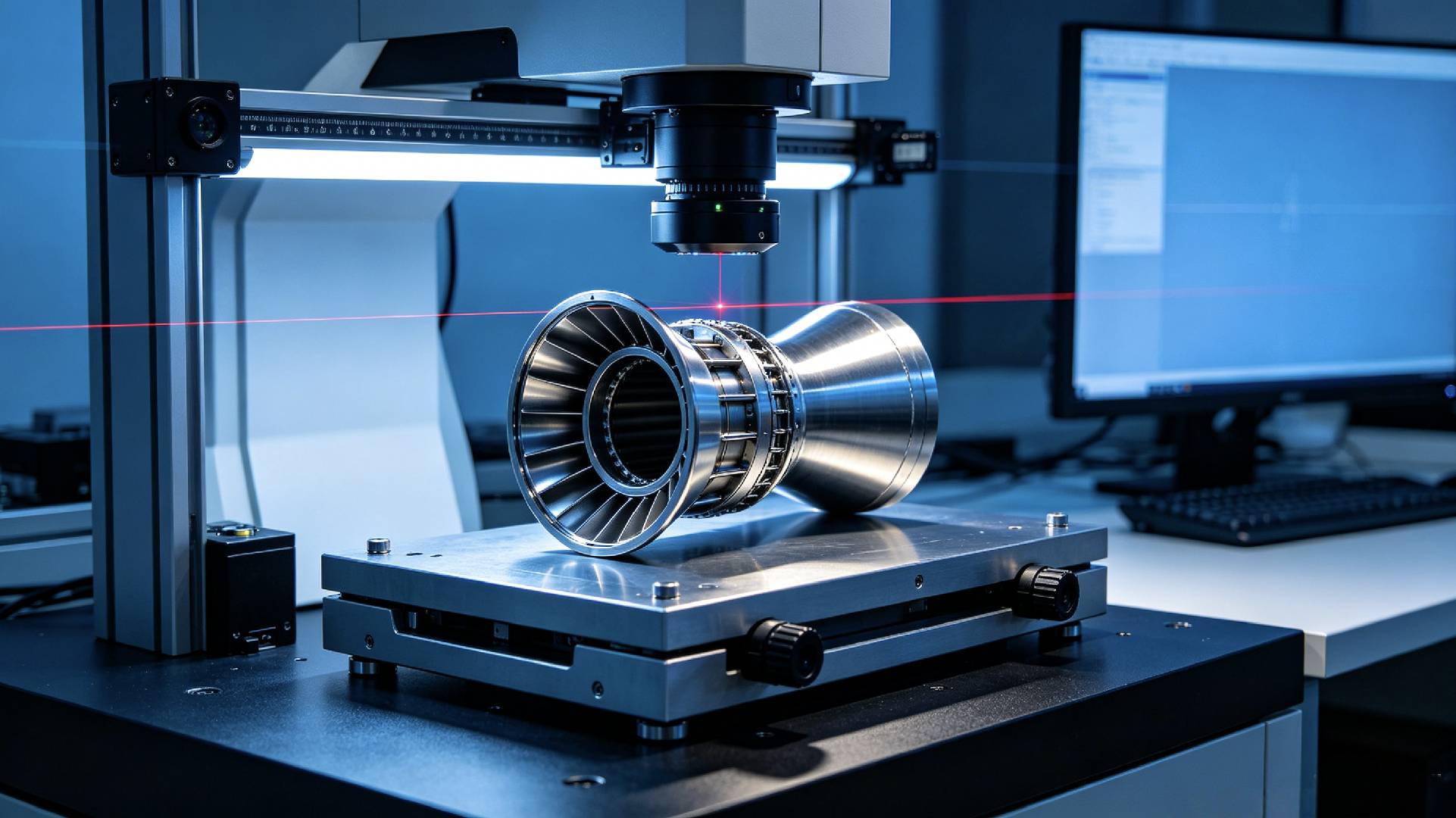
Thanks to its advanced manufacturing processes and high efficiency, RPS managed to complete the development and delivery of three generations of nozzles within 25 days, delivering a total of 12 sets of prototypes. All of these prototypes passed all the aerospace-grade testing requirements, including tests under high temperature and pressure as well as fatigue cycle tests, without any issues. The team assigned dedicated personnel to handle the client’s feedback; any modifications suggested were implemented and printed on the same day, enabling a rapid response time of 24 hours for iterative improvements.
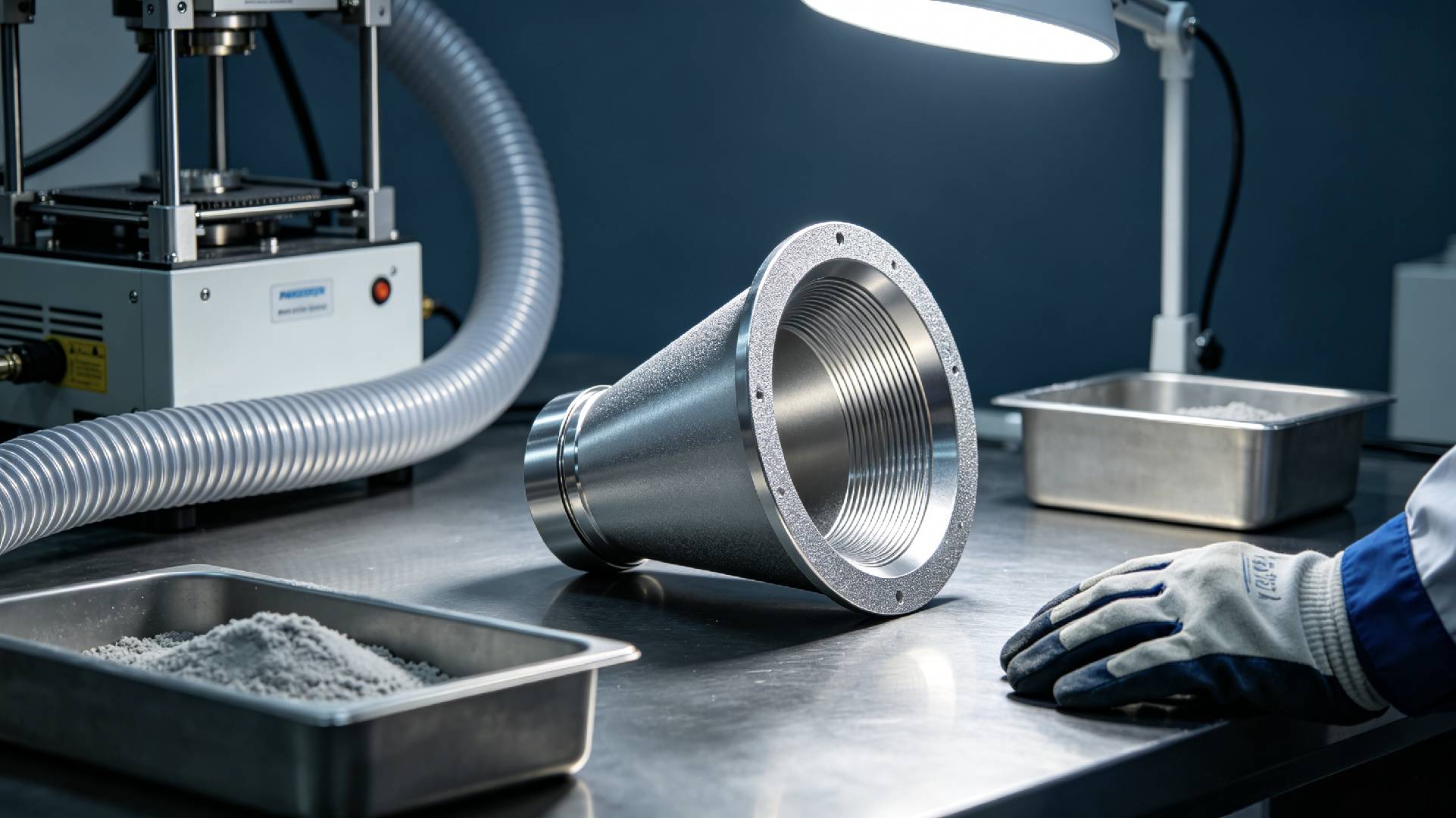
In the end, RPS helped the client shorten the development and testing cycle for the nozzles, reduced the cost of producing each individual unit, and ensured that the project progressed to the next stage as planned. This case clearly demonstrates RPS’s technical expertise and ability to respond quickly in the field of metal 3D printing; through its professional and efficient services, it provided support for the client’s aerospace project development, earning the client’s high appreciation and interest in maintaining a long-term partnership.