Project Background
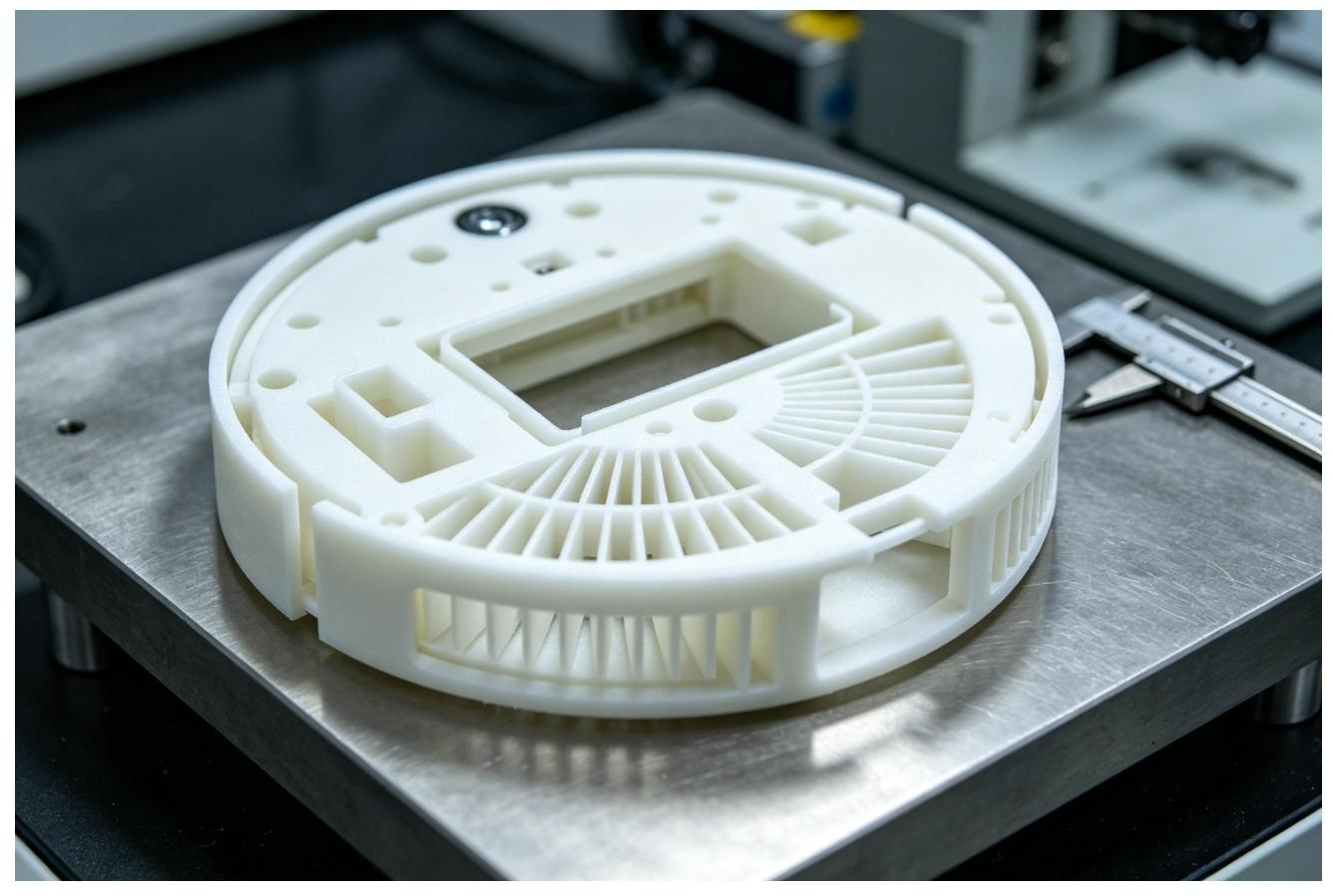
The client is dedicated to the research and development of smart household floor cleaning robots. The product iterations are very fast, and new models with updated appearance and functions need to be launched every quarter. The traditional injection molding process has a mold production cycle of up to 45 days, and the cost of a single mold is high, which cannot meet the client's requirement of "completing 3 generations of appearance and structure iteration verification within 20 days" for rapid R&D. At the same time, the floor cleaning robots contain complex air duct structures, sensor installation positions, wiring channels and other precise structures. The traditional process is difficult to achieve integrated molding, resulting in large assembly errors, which affect the dust collection efficiency and navigation accuracy, seriously restricting the progress of product development and the launch schedule.
Solution and Project Outcome
Based on the core requirements of intelligent home appliances such as rapid iteration, high precision, and high appearance standards, our company, relying on industrial-grade 3D printing technology, has developed a rapid research and development solution for the structural components of the vacuum cleaner:
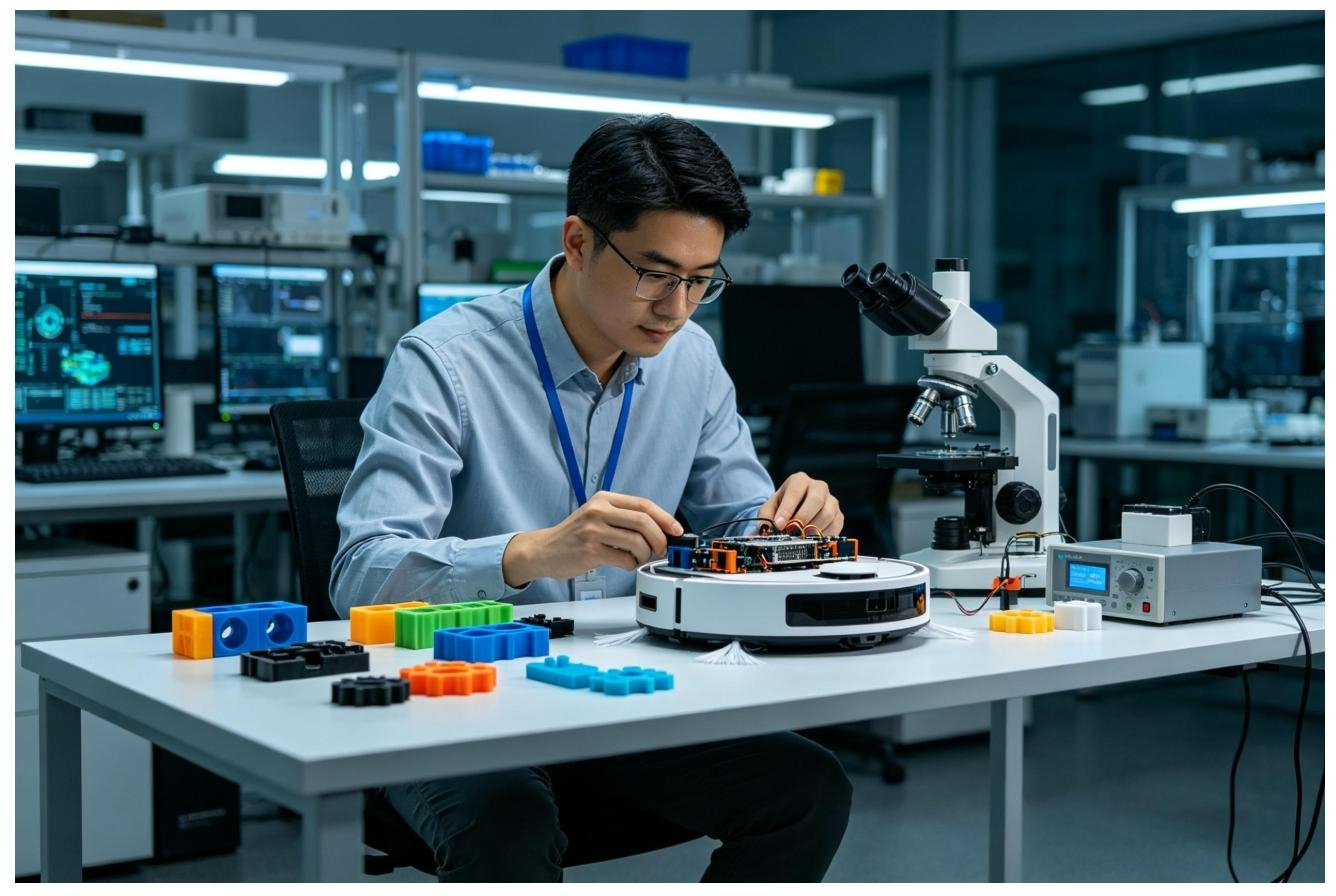
1.Integrated structure optimization design: For the complex structures such as the internal air ducts, sensor installation positions, and wiring channels of the robot, topological optimization is carried out to achieve integrated molding of multiple components, reducing assembly points, improving structural accuracy and overall sealing performance, and effectively enhancing cleaning efficiency and navigation stability.
2.Multi-material adaptation scheme: According to the functional requirements of different components, high-strength impact-resistant materials, wear-resistant quiet materials, and high-quality surface materials are selected respectively, taking into account structural strength, wear resistance, and appearance texture, to adapt to long-term use scenarios in households.
3.High-precision rapid molding technology: Using industrial-grade photopolymer 3D printing technology, complex curved surface shells and precise internal structures are directly molded. The size accuracy is controlled within ±0.02mm, and precise assembly can be achieved without secondary mold opening, with the single-wheel sample delivery cycle compressed to within 5 days.
4.Comprehensive post-processing support for the entire process: Providing a complete set of post-processing services including grinding, polishing, spraying, and screen printing, achieving uniform surface texture of the robot shell, reaching commercial product-level appearance standards, and can be directly used for exhibition display and user testing.
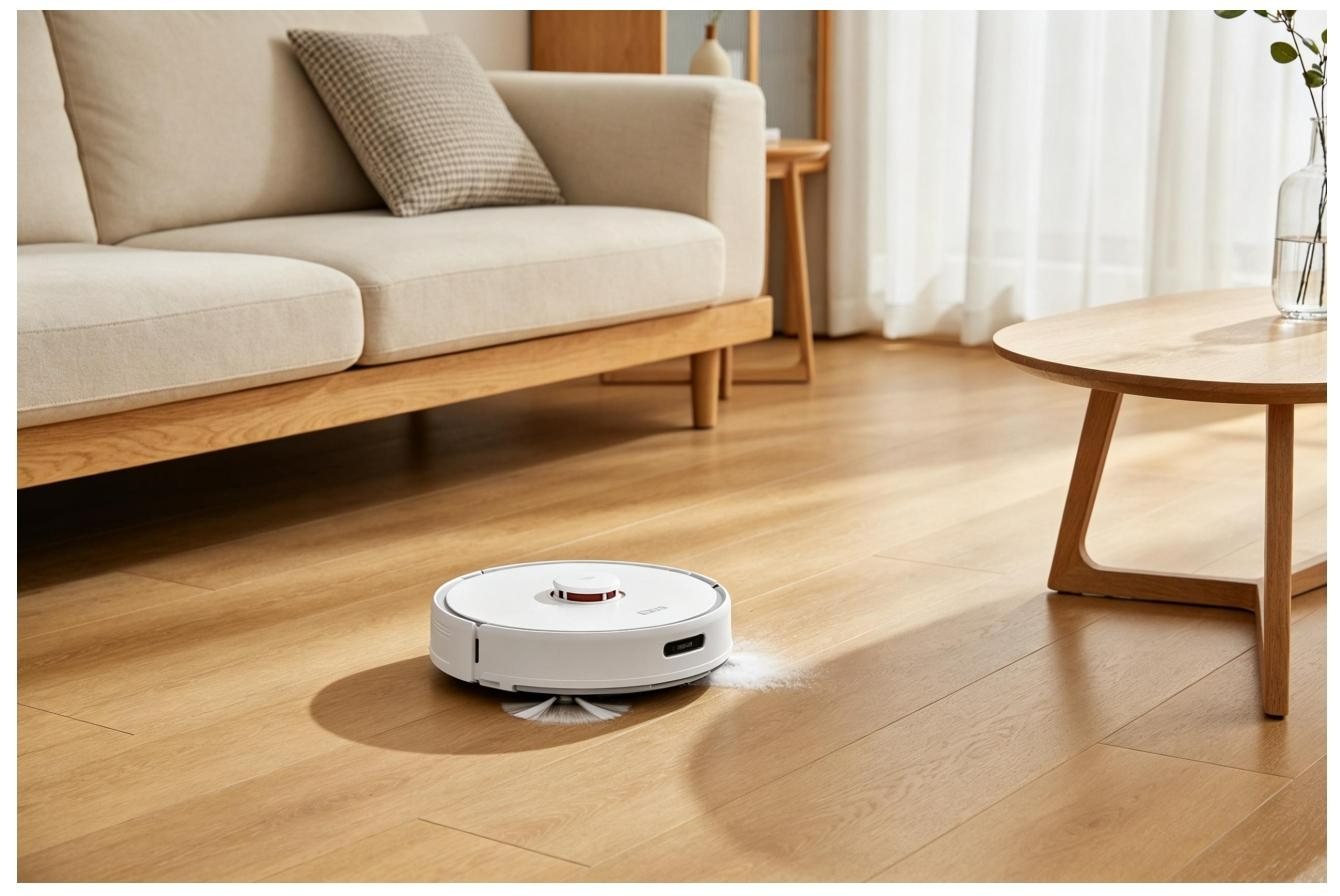
After the project was implemented, our side successfully achieved a significant improvement in the efficiency of the development and iteration of the cleaning robot's structural components, with a substantial reduction in the cost of single wheel samples. This helped the customer complete the verification of 3 generations of appearance and structure upgrades within 20 days. The product's assembly accuracy and sealing performance were significantly enhanced, and the dust collection efficiency and navigation accuracy met the design requirements. The appearance texture reached the standard of mass production. This successfully assisted the customer in launching the new product on time and achieving long-term fixed-point supply cooperation.