Project Background
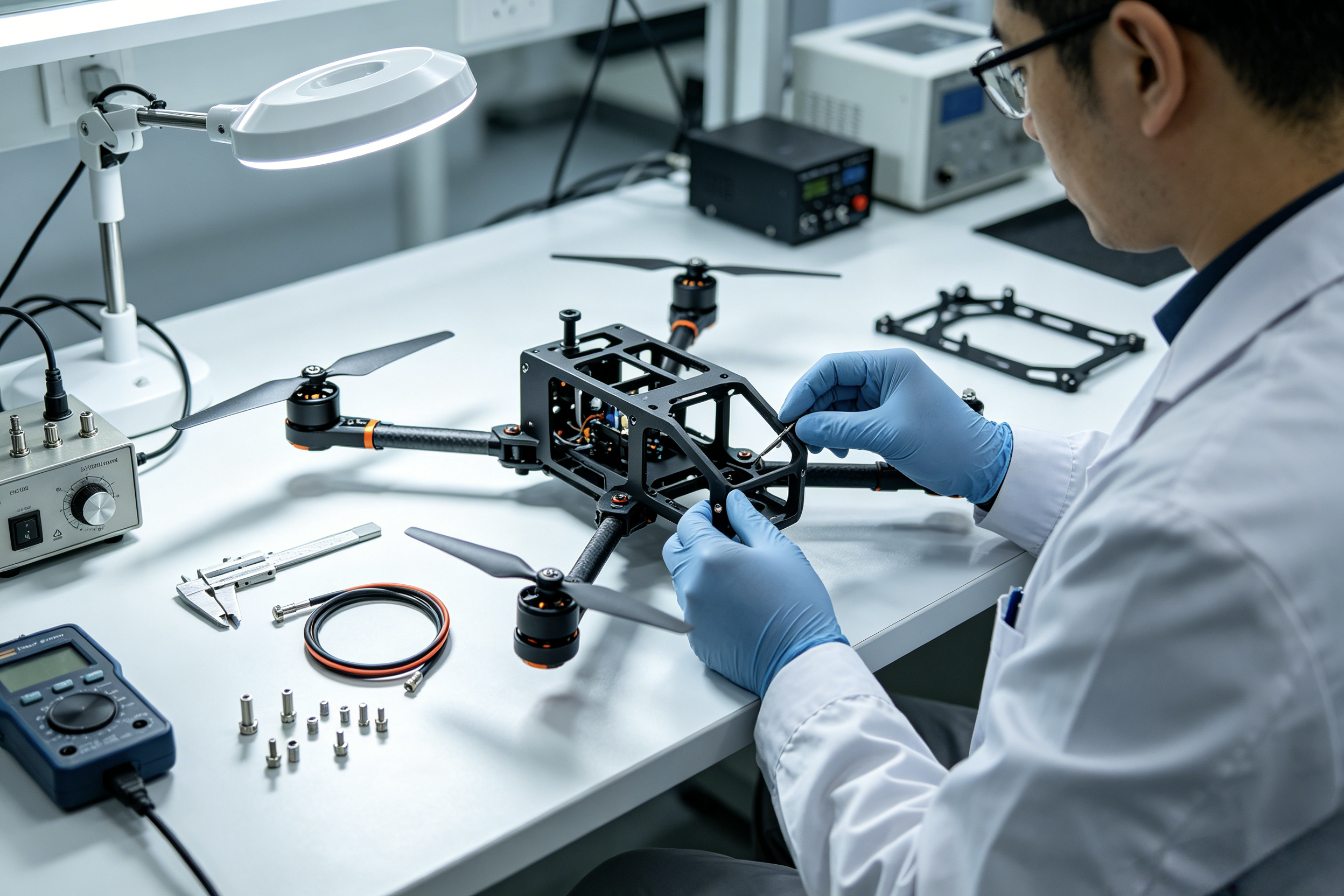
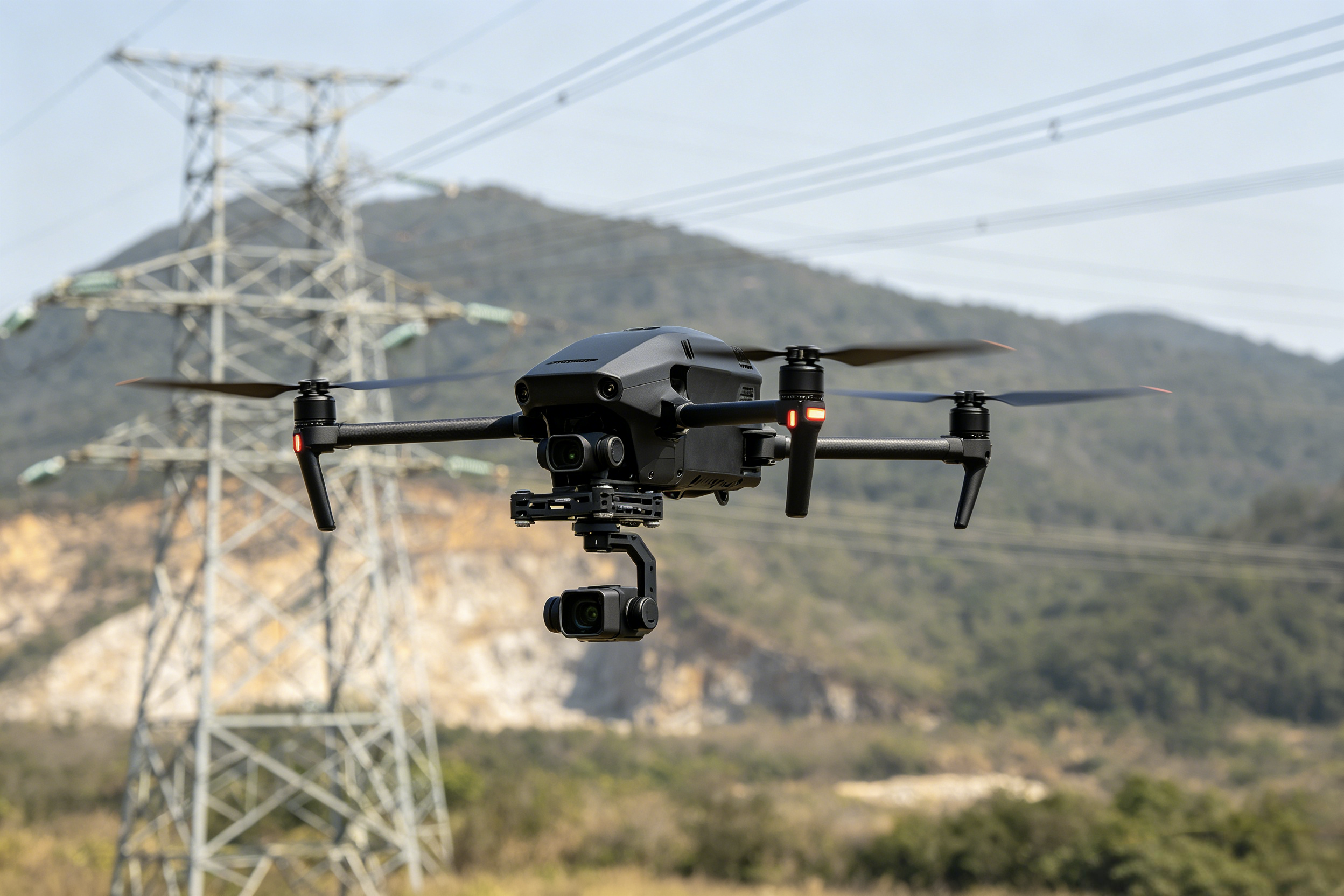
The client is engaged in the research, development, and production of industrial-grade drones for aerial operations. These drones are used in various applications such as power line inspection, forest fire prevention, urban mapping, and low-altitude logistics. Different operational scenarios require customized solutions regarding the equipment installed on the drones as well as their external structure; standardized components cannot meet the needs associated with modifying and upgrading these drones.
Traditional machining and injection molding processes have long production cycles. It is difficult to manufacture complex, thin-walled precision components, resulting in low yields. Moreover, structures that consist of separate parts joined together have poor seismic resistance. The frequent vibrations experienced by drones during aerial operations can cause components to loosen, deform, or crack, which significantly affects the accuracy of aerial surveys and the safety of operations. Additionally, traditional manufacturing methods involve high costs and long time frames, making it impossible to meet the client’s needs for developing products for multiple scenarios in small batches and at a rapid pace. This situation hinders the commercial application of drones in various fields.
Solutions and Project Outcomes
In response to the key requirements of industrial drones, such as operation in various conditions, customization, and high adaptability, we utilize 3D printing and additive manufacturing technologies to offer a one-stop customized solution for precision drone components:
1. Customized design specific to each drone model: Based on the dimensions, aerodynamic layout, load capacity, and operating environment of each customer’s drone, we optimize the structure of the components, designing integrated wiring channels, shock-resistant reinforcements, and streamlined, lightweight structures that do not affect the drone’s original power and flight mechanisms, thereby ensuring optimal aerodynamic performance.
2. Precise selection of materials suitable for different operating conditions: For different environments such as high altitudes, deserts, humid coastal areas, and urban areas at high elevations, we use aviation-grade printing materials with high toughness, heat resistance, corrosion resistance, and aging resistance. These materials enhance the components’ resistance to shocks, wind, moisture, and weathering, making them suitable for complex outdoor operations.
3. Integrated manufacturing process: By abandoning traditional methods of separate processing and assembly, we achieve integrated fabrication of various components such as drone mounting brackets, power compartment frames, and anti-vibration elements. This reduces assembly gaps and fixing points, thereby improving the structural stability and shock resistance from the outset.
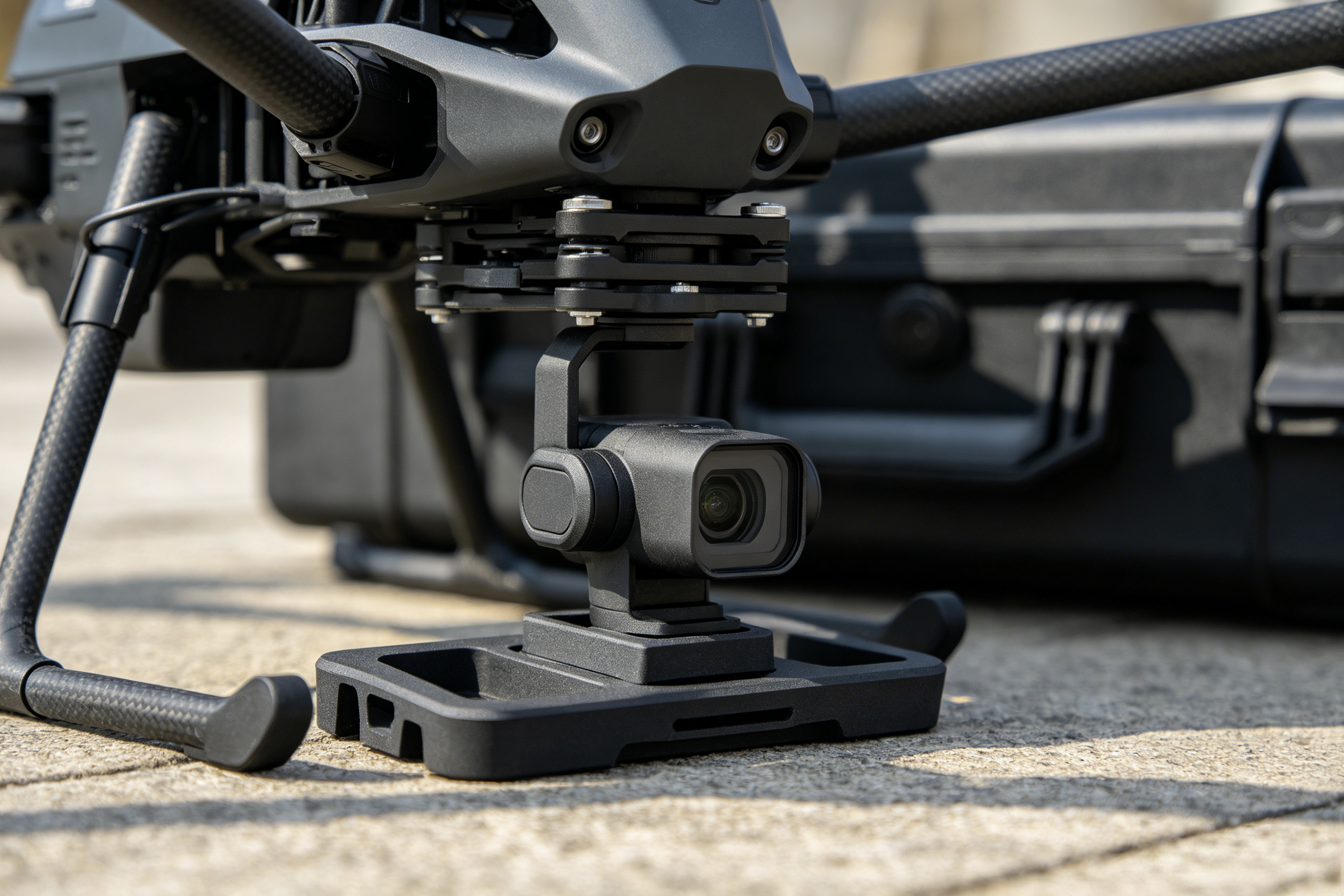
4. Refined post-processing and comprehensive testing: After printing, specialized polishing, stress elimination, and surface strengthening processes are employed to improve the flatness and wear resistance of the components. Additional tests such as dimension verification, vibration testing, and load testing ensure that each product meets the standards required for industrial drone operations.
Following the implementation of this project, we were able to reduce the delivery time for customized drone components and lower the production costs associated with small-batch customizations. These customized components fit perfectly with the client’s range of industrial drones; they ensure a stable installation without any misalignment, thereby enhancing the stability of aerial photography and surveying tasks and significantly improving the accuracy of these operations. Moreover, the outdoor service life of these components is increased by more than half, and the failure rate of the devices is greatly reduced, which helps to cut down on the costs associated with maintenance and repair of the drones. This enables the client’s drone products to be used in various low-altitude aviation applications, facilitating the successful completion of numerous government and corporate inspection and survey projects, and leading to long-term cooperative relationships based on bulk supply of such components.