Project Background
With the rapid growth of the service robot market, humanoid robots have become a focus of research and development due to their excellent interaction capabilities and suitability for a wide range of applications. However, humanoid robots have a highly complex structure; their heads, torsos, and limbs feature numerous irregular surfaces, internal wiring channels, as well as joint connections. Traditional injection molding and machining techniques face challenges such as high costs for mold creation, long production cycles, and difficulties in making design modifications.
When developing new generations of humanoid service robots, customers find it difficult to produce integrated joint housings and facial structures using traditional methods at low cost and quickly. The cost of creating molds for small-scale prototypes is high, and each design change requires the creation of new molds, which significantly slows down the process of product development and hinders the ability to respond swiftly to changes in market demands.
Solutions and Project Outcomes
To address the challenges associated with the development of humanoid robots, we utilize advanced 3D printing and additive manufacturing technologies to develop efficient solutions for the rapid design and mass production of robotic components:
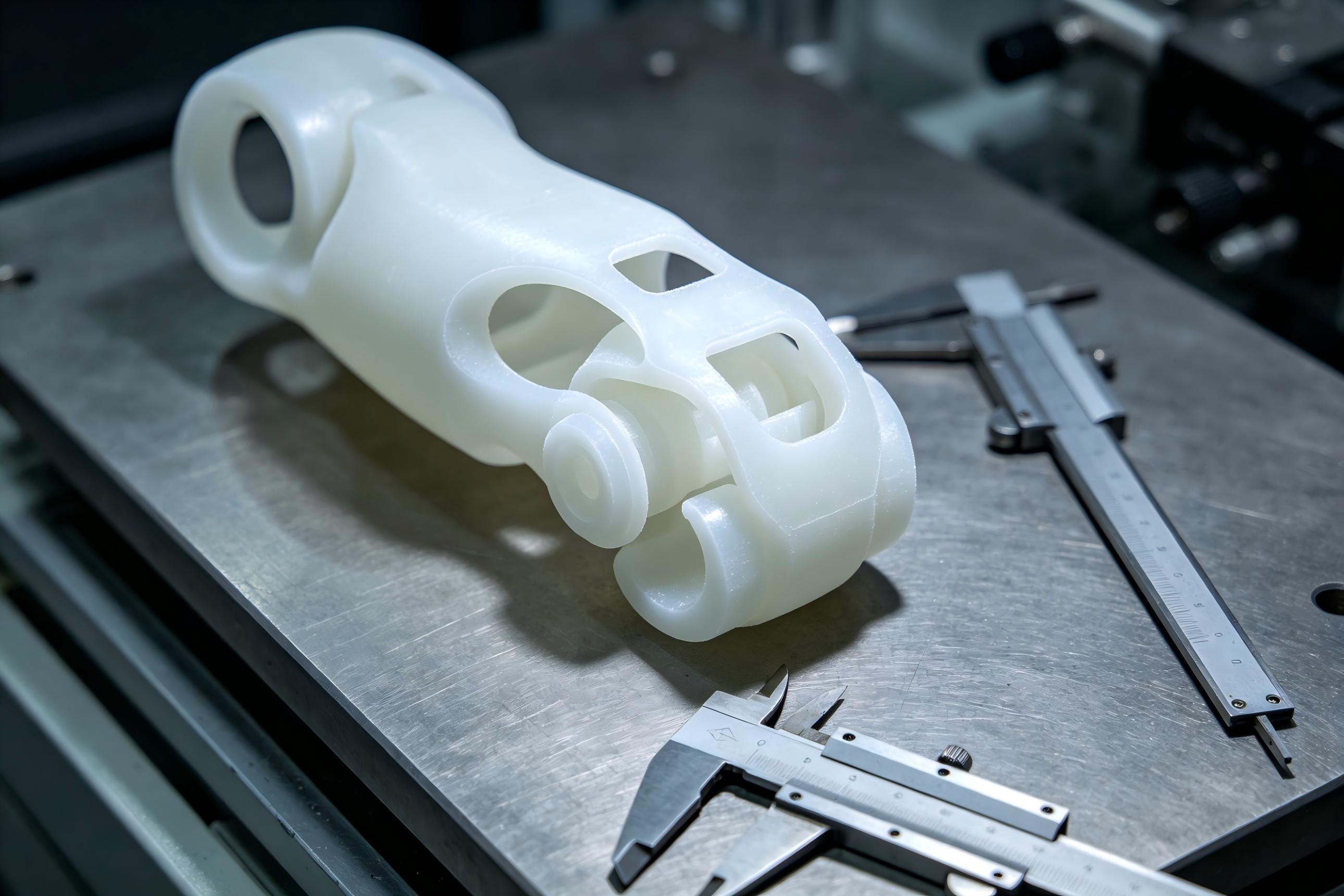
Integrated structural design optimization: Topological optimization is applied to the robot’s complex surfaces and internal structures, allowing multiple separate parts to be combined into a single integrated unit. This reduces the need for screws, fasteners, and connection points, thereby enhancing the structural stability and overall appearance of the robot.
Material selection tailored to specific functions: Different materials are used depending on the requirements of each component – high-strength engineering plastics, heat-resistant and flexible materials, as well as materials that provide a high-quality surface finish. These materials ensure both structural strength and wear resistance, as well as an attractive appearance, meeting the needs of long-term operation of the robot.
High-precision 3D printing: Industrial-grade photopolymerization 3D printing is used to create complex surfaces, built-in wiring channels, and hidden mounting points directly, without the need for additional molding processes. The resulting surfaces have high precision, making them suitable for immediate use in assembly tests and visual demonstrations.
Comprehensive post-processing services: A range of services including grinding, polishing, spraying, and screen printing are provided to ensure a uniform surface quality on the robot’s exterior, meeting the standards required for commercial products.
Rapid iteration process: A closed-loop process that includes design, printing, assembly testing, and modifications allows customers to make quick changes to the design, with new prototypes available within 24–48 hours.
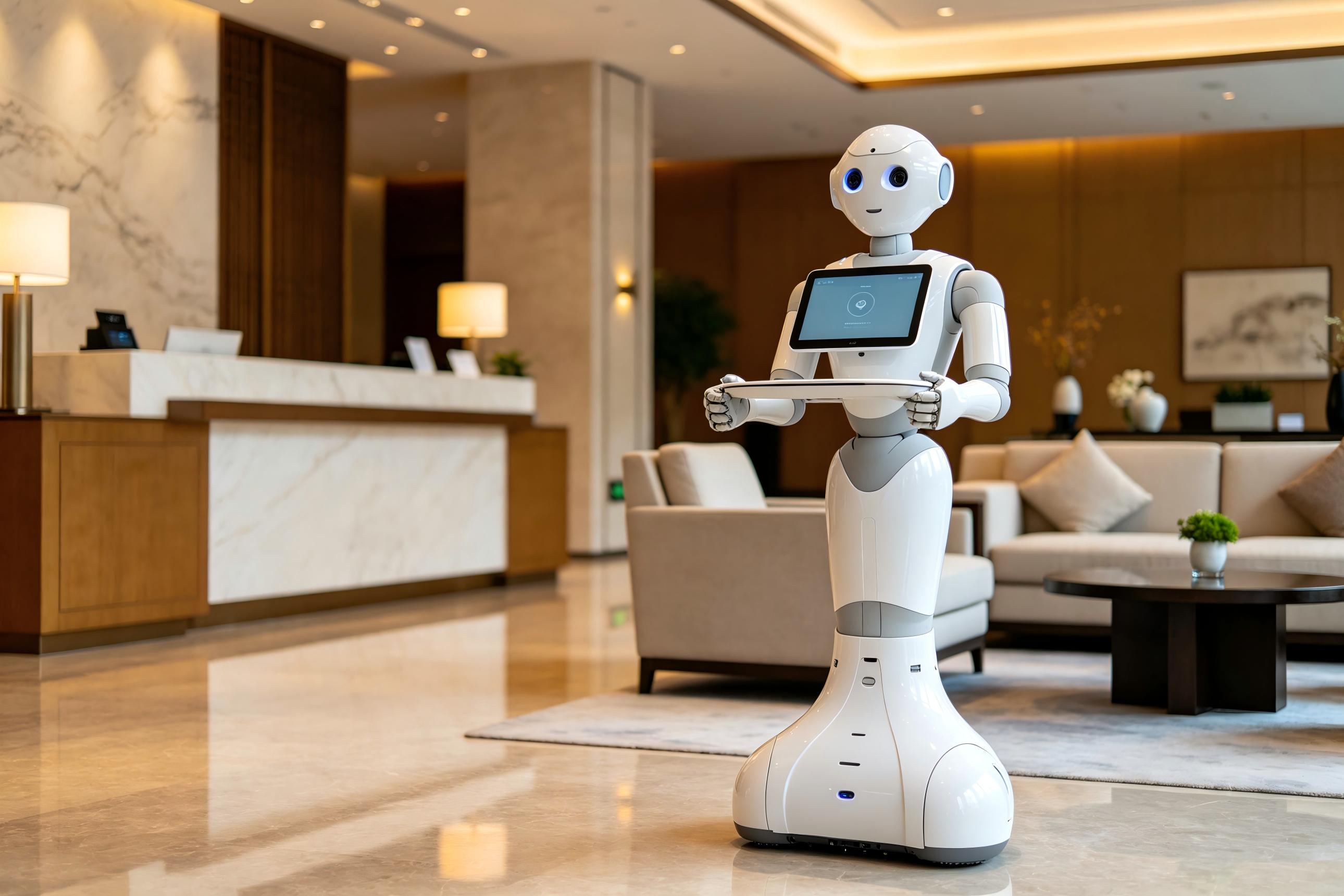
Once the project is implemented, the number of components required for assembling the core structure of humanoid robots is significantly reduced, and their overall weight also decreases substantially. This improves the robots’ endurance and mobility. The development time for single-wheel prototypes is reduced from the traditional 30 days to less than 5 days, enabling customers to quickly upgrade to the third generation of these robots. The cost of producing small batches is lowered, as are the expenses associated with mold creation and design modifications, thereby reducing research and development risks. The appearance of these products meets commercial standards, allowing them to be used in various commercial settings such as hotels, exhibition halls, and government offices. A smooth transition from prototype testing to small-scale production has been achieved, paving the way for long-term cooperative relationships.